


Apply for refinancing
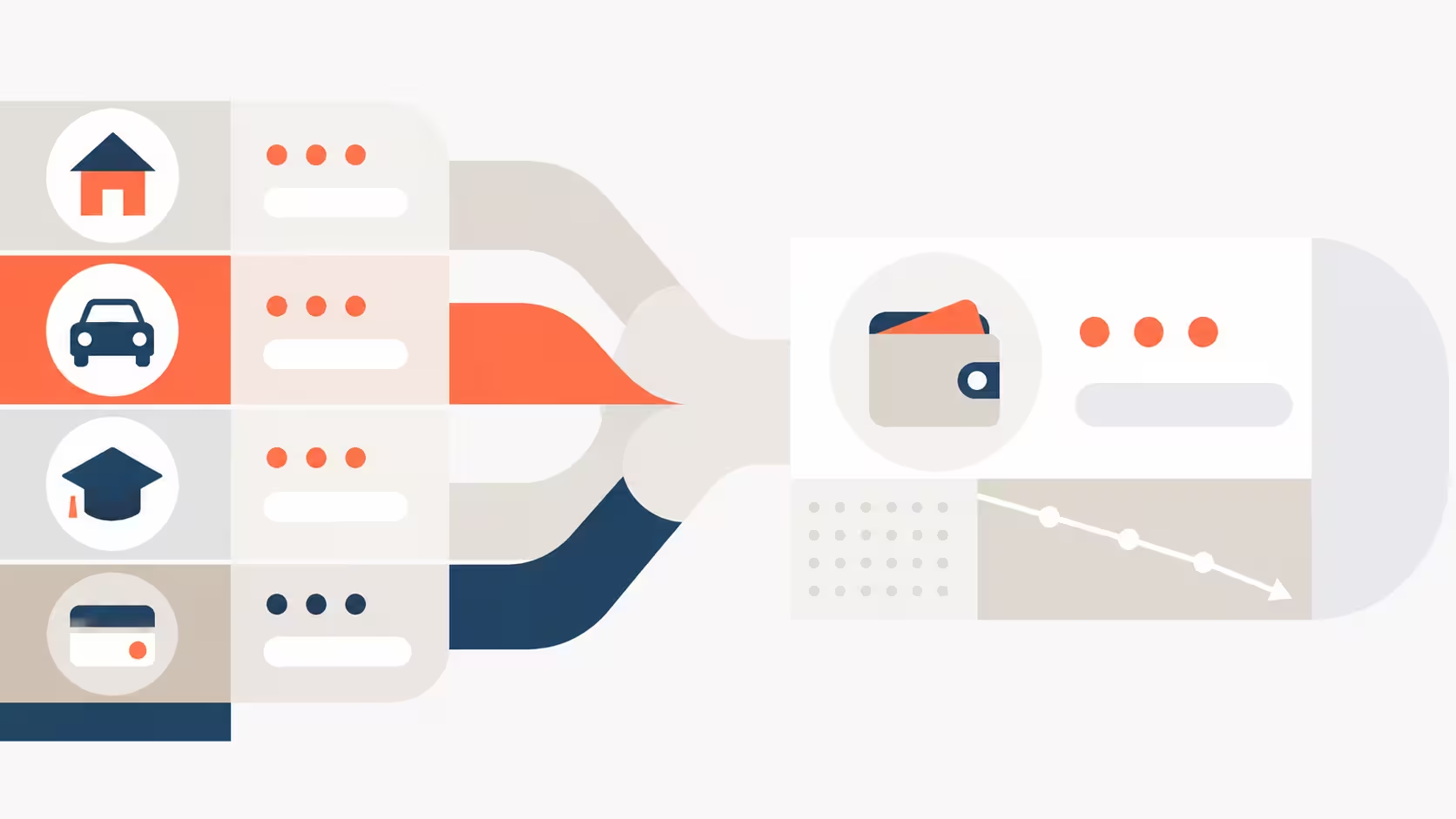
Benefits of applying for refinancing
- Combine multiple debts into one agreement
- Get a clearer overview of your monthly repayments
- See whether you may qualify for better rates and terms
How It Works
Complete one application, and we will forward your details to relevant providers. You can then compare the offers and choose the option that suits you best. The service is free and non-binding.

Complete the application
Provide the information we need quickly and easily.
We find relevant offers
Your application is sent to suitable providers.
Choose the offer that suits you
You receive offers and choose the one that suits you best.Refinance unsecured debt through Loan.no
Through Loan.no, you can submit one application to refinance personal loans, credit card debt and other unsecured debt. Your application is forwarded to our lending partners, who assess whether they can offer you a new loan agreement.
The purpose of refinancing is to replace several existing credit agreements with one new loan. This can mean fewer bills, one monthly payment and a clearer overview of your debt.
The aim of refinancing
A new agreement should give you better control of your debt or reduce your costs. Check the effective interest rate, repayment term, monthly payment and total amount repayable before accepting an offer.
Review your existing debt first
Before applying for refinancing, make a clear overview of the debts you want to combine. This makes it easier to complete your application accurately and assess any offer you receive.
Gather information about each creditor, the outstanding balance, effective interest rate, monthly payment and any fees. Remember to include credit cards and credit facilities that are still open, even if you have not used the full available credit.
Information to have available
- The name of each creditor
- The outstanding balance on each loan or credit card
- Effective interest rates and monthly fees
- Your current monthly payments
- The remaining repayment term, if known
From application to assessment
In the application, you provide information about your debts, income, expenses and overall financial situation. The application is then forwarded to our lending partners for assessment.
The lending partners will normally carry out a credit check and assess whether your finances can support the new agreement. You may also be asked to provide proof of income or information about the debts that are to be repaid.
If a lending partner can offer you refinancing, you will receive information about the amount, interest rate, fees, repayment term and total amount repayable. Applying is free, and you are under no obligation to accept an offer.
An offer is not guaranteed
Applying for refinancing does not guarantee approval. Any offer will depend on factors such as your income, total debt, payment history and the lending partner’s credit assessment.
Will the new lender repay your existing debts?
When refinancing, the new lender may repay the agreed debts directly to your existing creditors. This means the money may not be paid into your personal bank account.
Check which loans and credit agreements are included and whether the full outstanding balances will be repaid. If some debts are not included, you will still need to repay them separately.
You should also check whether old credit cards and credit facilities will be closed automatically. If they remain open, you may need to contact the creditors yourself to reduce or close the available credit.
Consider the actual saving
A lower monthly payment does not necessarily mean that refinancing will cost less overall. Your monthly payment may be lower because the debt is spread over a longer period, while the total interest cost increases.
Compare the effective interest rate and total amount repayable under the new offer with the costs of your current agreements. You should also consider arrangement fees, monthly fees and any costs associated with closing existing agreements.
Look beyond the monthly payment
A refinancing offer should be assessed based on the effective interest rate, fees, repayment term and total amount repayable, not only the amount you pay each month.
Interest rates and repayment terms for refinancing
The interest rate is determined individually and may be affected by factors such as your income, level of debt, payment history and the amount you want to refinance.
The repayment term determines how quickly the new loan is repaid. A shorter term normally means higher monthly payments but can reduce the total interest cost. A longer term can make the monthly payment more manageable, but may increase the total cost.
Choose a repayment term that gives you a manageable monthly payment without extending the repayment period more than necessary.
When could refinancing be suitable?
Refinancing may be worth considering if you are repaying several unsecured loans and credit agreements at the same time, or if multiple fees and payment dates make your finances difficult to manage.
It may also be relevant if you want to see whether your existing debts can be replaced by an agreement with a lower interest rate or clearer terms.
Refinancing does not remove your debt. It combines or moves the debt into a new agreement, which must still be repaid.
Avoid building up new debt
After refinancing, previous credit facilities may still be available if they are not closed. Using this credit again can cause your overall debt to increase.
Consider closing or reducing credit facilities that you no longer need. It can also be useful to create a budget that accounts for the new monthly payment.
You can read more about developments in Norwegian consumer debt and debt collection cases from Finanstilsynet.
Compare refinancing before you apply
If you want to review the available options first, you can compare refinancing offers from several providers on Loan.no. You can see information about interest rates, borrowing limits, repayment terms and other conditions before deciding whether to apply.
Check the offer before signing
Before accepting an offer, check the amount being refinanced, which creditors will be repaid and whether any of your existing debt will remain outstanding.
Also review the nominal and effective interest rates, fees, repayment term, monthly payment and total amount repayable. Make sure the new agreement provides the improvement you are looking for before signing.
Frequently asked questions about applying for refinancing
Find answers to frequently asked questions about applying for refinancing, eligible debts, requirements, costs and the application process.