
'/%3E%3C/svg%3E)





Find the Best Loan for You – Compare Options with Loan.no
Up to 800 000 kr
- Independent Loan Comparison
- Lenders Compete for Your Business
- Free of Charge & No Obligation
- Simple Digital Application Process
How
Loan.no
Works
Complete the Form
Complete your application quickly and easily. Your application is submitted through a 100% secure, encrypted connection. Your personal information is stored safely and securely.We Compare Loan Offers for You
Loan.no reviews available loan offers from the market and identifies the options that best match your needs and financial profile.Choose the Best Offer
You will be presented with the best available offer. The offer is completely free and comes with no obligation. If you are satisfied, you can sign the loan documents using BankID or a handwritten signature.











Loan.no Helps You Compare Loan Offers
Our service is completely free and comes with no obligation. We do the research for you, helping you save both time and effort while making it easier to compare loan opportunities in one place.

No collateral is required, such as a home, car, or other assets.
The loan can be repaid over a period of 1 to 15 years.
We strongly recommend that you do not take out a loan that you cannot comfortably repay within the agreed term. It is important to apply for a loan that matches your financial situation and repayment ability.
After accepting the loan offer, the funds are typically transferred to your bank account within 1–3 business days.
- You must be at least 18 years old.
- You must have a stable monthly income of at least NOK 10,000.
- Having no payment remarks or defaults is an advantage, but it is not always a strict requirement.
Once you have completed and submitted your application, you will receive an immediate indication of whether you qualify for a loan.
The final interest rate is determined individually based on your financial profile and the lender’s assessment. All costs, fees, and terms will be clearly outlined in the loan offer you receive, which you are free to accept or decline without any obligation.
- You must be at least 18 years old.
- You must have a stable monthly income of at least NOK 10,000.
- Having no payment remarks or defaults is an advantage, although it is not always a strict requirement.
There may be several reasons why your application was declined. Each lender assesses applications individually based on factors such as income, existing debt, credit history, and overall financial situation.
- One monthly payment instead of multiple bills
- A lower interest rate
- Potential savings of hundreds or even thousands of kroner per month
Refinancing can make your finances easier to manage and may reduce your overall borrowing costs.
How to Find a Loan with Competitive Terms
Interest rates and loan terms vary from one lender to another, and there is rarely a single loan that is the best choice for everyone. When you apply for a loan, lenders evaluate factors such as your income, existing debt, payment history, credit profile, and overall financial situation before determining the interest rate and terms they can offer.
As a result, two people applying for the same loan amount may receive different offers from the same lender. To find a loan with competitive rates and favorable terms, it is important to compare multiple offers before making a decision.

By obtaining and comparing multiple loan offers, you gain a clearer overview of interest rates, fees, and loan terms, making it easier to choose the option that best fits your financial situation.
What Is a Loan?
A loan is an agreement in which a bank or financial institution lends you money that must be repaid over time. In addition to repaying the borrowed amount, you will also pay interest and any applicable fees according to the terms of the agreement.
A Helpful Tip Before Applying for a Loan
Before applying for a loan, take the time to assess how much money you actually need to borrow and how the loan will affect your finances. Comparing multiple offers can give you a better understanding of interest rates, costs, and repayment terms, helping you make a more informed financial decision.
How Much Can You Borrow?
The amount you can borrow depends on several factors, including your income, existing debt, credit profile, and overall financial situation. Each lender conducts its own assessment of your application before making a loan offer.
Loans and Income
When evaluating a loan application, lenders consider factors such as your income, current debt obligations, and ability to repay the loan. For this reason, it is important to choose a loan amount that fits your financial situation, both now and in the future.
How Quickly Do You Need the Money?
Although it is possible to receive a fast response to a loan application, it is always wise to take the time to review the offers you receive. Compare interest rates, fees, and loan terms carefully before making a decision.
Loan.no makes it easier to compare loan opportunities from multiple banks and financial institutions, giving you a clearer overview of the options available.
Unsecured Loans
An unsecured loan is a type of loan that does not require you to provide collateral, such as a home, vehicle, or other assets. Instead, lenders assess your income, existing debt, and repayment capacity before approving an application.
The most common form of unsecured borrowing is a personal loan. This type of loan can be used for almost any purpose, including home improvements, unexpected expenses, or refinancing existing debt. Because the lender does not hold collateral, interest rates are generally higher than those associated with mortgages or other secured loans.
Secured Loans
A secured loan requires collateral, meaning the lender has a legal claim to an asset if the loan is not repaid. The most common example is a mortgage, where the property serves as security for the loan.
Because the lender’s risk is lower, secured loans often come with lower interest rates and more favorable terms than unsecured personal loans. In addition to mortgages, secured loans may also be available for vehicles, vacation properties, and other types of real estate.
When considering a new loan, it can be beneficial to compare both secured and unsecured options. Whether you are looking for a personal loan, mortgage, car loan, or boat loan, reviewing multiple offers can help you identify the solution that best matches your needs and financial circumstances.
Borrowing Money – Advantages and Disadvantages
Borrowing money can be a practical way to finance major purchases, cover unexpected expenses, or refinance existing debt. However, it is important to understand both the benefits and potential drawbacks before applying for a loan.
Whether you are considering a personal loan, mortgage, car loan, or boat loan, you should always compare interest rates, fees, and terms before making a decision.
Advantages of Taking Out a Loan
Fast and Convenient Application Process
Most lenders offer digital application processes, making it easy to apply for a loan from the comfort of your home.
Financial Flexibility
A loan can help you finance larger purchases or manage unexpected expenses when they arise.
Multiple Loan Options
There are many different types of loans available, including personal loans, mortgages, car loans, and boat loans, allowing you to choose a solution that fits your needs.
Opportunity to Refinance Existing Debt
Consolidating multiple debts into a single loan can simplify your finances and may help reduce your monthly expenses.
Disadvantages of Taking Out a Loan
Interest and Fees
All loans involve costs in the form of interest and, in some cases, additional fees, increasing the total amount you repay.
Long-Term Financial Commitment
A loan affects your finances over an extended period and must be repaid according to the agreed terms.
Higher Costs Without Comparison
If you do not compare multiple loan offers, you may end up choosing a loan that costs more than necessary.
Requires Responsible Financial Planning
Before applying for a loan, make sure your budget can comfortably accommodate the monthly repayments throughout the entire loan term.
What Is APR (Annual Percentage Rate)?
When comparing loans, the Annual Percentage Rate (APR) is one of the most important factors to consider. APR represents the total annual cost of a loan, including both interest and fees. As a result, it provides a more accurate picture of what a loan will actually cost than the nominal interest rate alone.
APR typically includes:
- Nominal interest rate
- Origination fees
- Monthly or installment fees
- Administrative charges
- Other mandatory fees
By comparing the APR of different loans, it becomes easier to determine which offer provides the best overall value.
Why Is APR Important?
Many borrowers focus only on the nominal interest rate when evaluating a loan. However, two loans may have the same nominal rate while carrying very different total costs due to fees and additional charges.
For this reason, you should always compare the APR when reviewing:
- Personal loans
- Mortgages
- Car loans
- Boat loans
- Debt consolidation loans
How to Get Better Loan Terms
Even small differences in interest rates can add up to substantial savings over time. That is why it pays to explore multiple options before choosing a loan.
Choose the Right Repayment Term
A longer repayment period often results in lower monthly payments, but it can also increase the total cost of the loan. A shorter repayment term may reduce overall interest costs if your budget allows for higher monthly payments.
Consider a Co-Borrower
For some applicants, applying with a co-borrower may improve the chances of receiving more favorable loan terms. This is always assessed individually by the lender.
Refinance Existing Debt
If you have multiple loans or credit accounts, refinancing can make your finances easier to manage. In some cases, it may also help reduce your overall borrowing costs.
Compare Loans Before You Decide
There are many types of loans available, and lending terms can vary significantly between banks and financial institutions. That is why it is important to compare interest rates, fees, and conditions before submitting an application.
Whether you are considering a personal loan, mortgage, car loan, or boat loan, comparing multiple options can help you find the solution that best suits your financial needs.
Alternative Loan Types
There are many different loan products available, and the right choice depends on your needs, financial situation, and repayment capacity. Before applying, it is wise to compare interest rates, fees, and terms from several lenders.
Car Loans
A car loan is specifically designed to finance the purchase of a vehicle. These loans often offer more favorable terms than personal loans, especially when the vehicle serves as collateral.
Personal Loans
Personal loans are among the most popular borrowing options. They are unsecured loans that can be used for a wide range of purposes, including home improvements, travel, or unexpected expenses.
Small Loans
Small loans are typically lower-value loans with shorter repayment periods. They may be suitable if you only need a modest amount of financing, but it is important to review interest rates and fees carefully.
Fast Loans
Fast loans generally refer to loans with a quick application process and rapid approval. While convenience can be appealing, borrowers should always review the APR and total borrowing costs before proceeding.
SMS Loans
Historically, SMS loans were loans that could be applied for via text message. Today, the term is commonly used to describe small, quickly approved loans. As with any loan, comparing costs and conditions is essential.
Boat Loans
If you are planning to purchase a boat, a dedicated boat loan may be a suitable financing option. Many lenders offer specialized products with varying interest rates and repayment terms.
Which Loan Type Is Right for You?
The best loan depends on how you intend to use the funds and which products you qualify for. Comparing options such as personal loans, car loans, boat loans, small loans, and fast loans can help you identify the most suitable solution for your financial situation.
Debt Consolidation and Refinancing
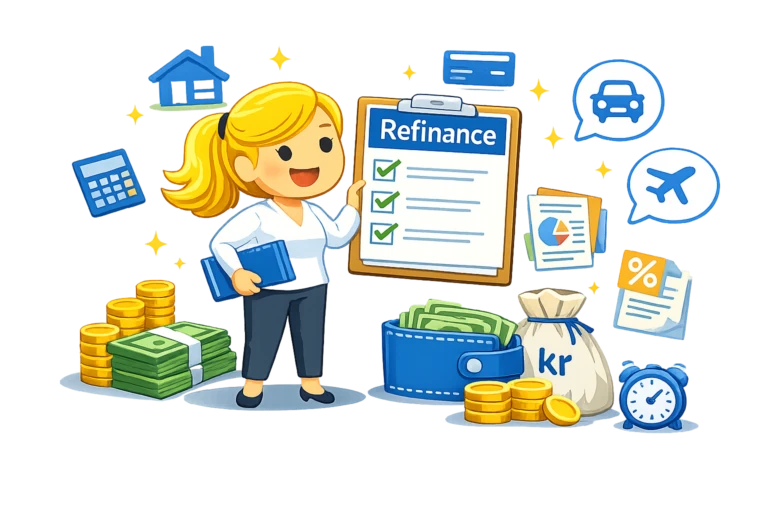
If you have multiple loans, credit cards, or other forms of debt, refinancing may help simplify your finances. By consolidating several debts into a single loan, you only have one monthly payment to manage, making your finances easier to oversee.
For many borrowers, refinancing is a way to lower borrowing costs, improve debt management, or adjust repayment terms to better fit their budget.
What Is Refinancing?
Refinancing involves taking out a new loan to repay existing debt. The goal is often to secure better terms, lower interest rates, or create a more manageable financial structure.
Common debts that are refinanced include:
- Personal loans
- Credit card debt
- Small loans
- Fast loans
- Other unsecured debt
By consolidating multiple debts into one refinancing loan, you can gain a clearer overview of your finances and reduce the number of payments and due dates you need to track.
Can a Mortgage Be Used for Refinancing?
In some situations, it may be possible to refinance unsecured debt through an existing mortgage. If you have sufficient equity in your property, a lender may allow part of your debt to be incorporated into your mortgage.
Because mortgage rates are typically lower than those associated with personal loans and credit cards, this approach can sometimes reduce total borrowing costs. Eligibility is assessed individually by each lender.
What Does a Loan Cost?
The cost of a loan varies from person to person and depends on factors such as:
- Loan amount
- Repayment term
- Interest rate
- Fees and charges
- Credit assessment
- Loan type
When comparing loans, always focus on the APR. It includes both interest and fees, providing a more realistic view of the total borrowing cost.
Compare Before You Choose
Interest rates and loan terms can vary considerably between lenders. For this reason, comparing multiple offers can help you identify the most competitive option.
Whether you are considering refinancing, debt consolidation, a personal loan, mortgage, or car loan, a thorough comparison will help you make a more informed decision.
How Much Does It Cost to Borrow Money?
The cost of borrowing depends on several factors, including the loan amount, repayment period, interest rate, and any applicable fees. As a result, two seemingly similar loans can have very different total costs.
When evaluating loan offers, always look at the APR. Because it includes both interest and fees, it provides a more accurate representation of the total cost over the life of the loan.
To find a loan with competitive terms, it is advisable to compare several offers before making a final decision.
Unsecured Loans
An unsecured loan is a type of borrowing that does not require collateral such as a home, vehicle, or other assets. Instead, lenders evaluate your income, existing debt, and repayment capacity when reviewing your application.
The most common example of an unsecured loan is a personal loan, although some small loans and credit products also fall into this category.
Because the lender assumes greater risk, interest rates are generally higher than those associated with secured loans. This makes comparing rates and fees especially important before applying.
Find Loans with Lower Interest Rates
The interest rate you are offered depends on several factors, including:
- Income and overall financial situation
- Credit profile and creditworthiness
- Existing debt obligations
- Loan amount
- Repayment period
- Type of loan
A strong credit profile can improve your chances of receiving better loan terms and lower interest rates. That is why it is beneficial to maintain good financial habits and compare multiple options before choosing a lender.
Whether you are considering a personal loan, refinancing, a mortgage, a car loan, or a boat loan, it is important to evaluate the total cost of borrowing—not just the nominal interest rate.

Credit Assessment – What Is It?
When you apply for a loan, the bank or lender will typically conduct a credit assessment. The purpose is to determine whether you have the financial capacity to manage the loan and repay it according to the agreed terms.
During a credit assessment, lenders may consider factors such as:
- Income and overall financial situation
- Existing debt obligations
- Repayment capacity
- Any payment defaults or remarks
- Credit history and credit information
Based on this evaluation, the lender decides which loan terms and interest rates may be offered.
How to Improve Your Credit Profile
Maintaining a clear overview of your finances can help strengthen your credit profile. Many people create a budget to gain better control over income, expenses, and debt.
It may also be beneficial to reduce existing debt and avoid payment defaults if you plan to apply for loans in the future.
Right of Withdrawal for Loans
As a consumer, you will generally have a 14-day right of withdrawal when entering into a loan agreement. This means you can cancel the agreement within the specified period if you change your mind.
Before signing any loan agreement, it is important to review all terms carefully so that you fully understand the costs, interest rates, and repayment conditions.
Instant Loans – What Does It Mean?
The term “instant loan” is often used to describe loans with a very fast application and approval process. In practice, processing times vary between lenders, and the speed of disbursement depends on factors such as credit assessment and banking procedures.
Although fast loans may seem appealing when unexpected expenses arise, it is always important to evaluate the total borrowing cost before applying. Compare interest rates, fees, and APR to ensure you make an informed decision.
Remember that taking out a loan should always be a carefully considered financial decision, regardless of how quickly the application can be processed.
Who Can Get a Loan?
Requirements vary between banks and lenders, but there are several common criteria that applicants are often expected to meet.
Typical requirements may include:
- Being at least 18 years old
- Having a stable income
- Having a registered address in Norway
- Passing the lender’s credit assessment
- Having few or no payment remarks
Each lender evaluates applications individually, so requirements may differ from one institution to another.
How Much Interest Will You Pay?
The interest rate on a loan depends on several factors, including your financial situation, credit profile, loan amount, and repayment period. As a result, two borrowers may receive different interest rates for the same type of loan.
When comparing loans, always focus on the APR. Because it includes both interest and fees, it provides a more accurate picture of the total borrowing cost.
Fast Loan Processing
Many banks now offer fully digital application processes, making it possible to apply for loans quickly and conveniently. Processing times vary between lenders and depend on factors such as credit assessment requirements and supporting documentation.
For some loan products, you may receive a response the same day, while others may require a more extensive review process.
Compare Multiple Loan Offers
The first loan offer you receive is not necessarily the best one. That is why it is worth exploring several alternatives before making a final decision.
By comparing interest rates, fees, repayment terms, and lending conditions, you can make a more informed choice. This applies whether you are considering a personal loan, refinancing, a car loan, a boat loan, or another type of financing.
Thanks to digital solutions and electronic identification services such as BankID, applying for loans and receiving offers from multiple lenders is now easier than ever.
How to Evaluate Loan Offers
When comparing loans, it is important to look beyond the advertised interest rate. The actual rate and costs you are offered will depend on your financial situation and credit profile.
To make an accurate comparison, consider:
- APR (Annual Percentage Rate)
- Fees and additional charges
- Total repayment cost
- Repayment term
- Loan conditions
A loan with a low advertised interest rate is not always the least expensive option if it includes high fees.
Comparing multiple offers for personal loans, refinancing, mortgages, or car loans will help you find the option that best fits your financial needs.
Personal Loans – What Are They?
A personal loan is an unsecured loan that can be used for almost any purpose. Many people use personal loans for home improvements, major purchases, travel, or refinancing existing debt. Because no collateral is required, interest rates are typically higher than those associated with secured loans.
When considering a personal loan, it can be useful to use a personal loan calculator. A loan calculator provides a clearer overview of monthly payments, repayment periods, and total borrowing costs before you submit an application.
Personal Loan or Credit Card?
Both credit cards and personal loans provide access to unsecured credit, but they are often suited to different purposes. Credit cards can be practical for smaller purchases and short-term borrowing, especially when balances are paid within the interest-free period.
For larger expenses or when you need a longer repayment period, a personal loan may offer a more structured and predictable solution. If you already have credit card debt, refinancing may help simplify your finances and improve debt management.
Find the Right Loan
There are many loan products and lenders to choose from. By comparing personal loans, refinancing options, mortgages, car loans, and other financing solutions, you can identify the option that best matches your financial goals and circumstances.
Before selecting a loan, a personal loan calculator can help you estimate costs and compare different loan amounts, interest rates, and repayment terms. This makes it easier to find a loan that fits both your budget and your long-term financial plans.